The Reality of Insuring a JDM Icon
You spent months searching for the perfect Nissan Skyline R32 or Toyota Supra. You managed the import process, waited for the boat, and finally saw your car roll off the trailer onto American soil. The engine purrs, the right-hand drive configuration feels exciting, and the car looks exactly as you imagined. Then you call your standard insurance provider, and the conversation hits a wall.
Standard insurance companies often struggle with Japanese Domestic Market (JDM) vehicles. Their systems are designed for 17-digit Vehicle Identification Numbers (VINs). Most JDM cars use shorter chassis codes. If an agent cannot find your car in their drop-down menu, they might decline coverage or, worse, offer a policy that does not reflect the car's actual value. Protecting a piece of automotive history requires a different approach than insuring a modern commuter car.
Why Standard Policies Often Fail JDM Owners
Most daily-driver insurance policies use Actual Cash Value (ACV) to determine payouts. This is a formula based on depreciation. For a common sedan, this works fine. For a 1990s JDM legend, it is a disaster. If a distracted driver clips your Mazda RX-7, a standard insurer might look at the age of the car and offer you a check for its scrap metal value. They do not account for the rarity, the import costs, or the soaring market demand for these machines.
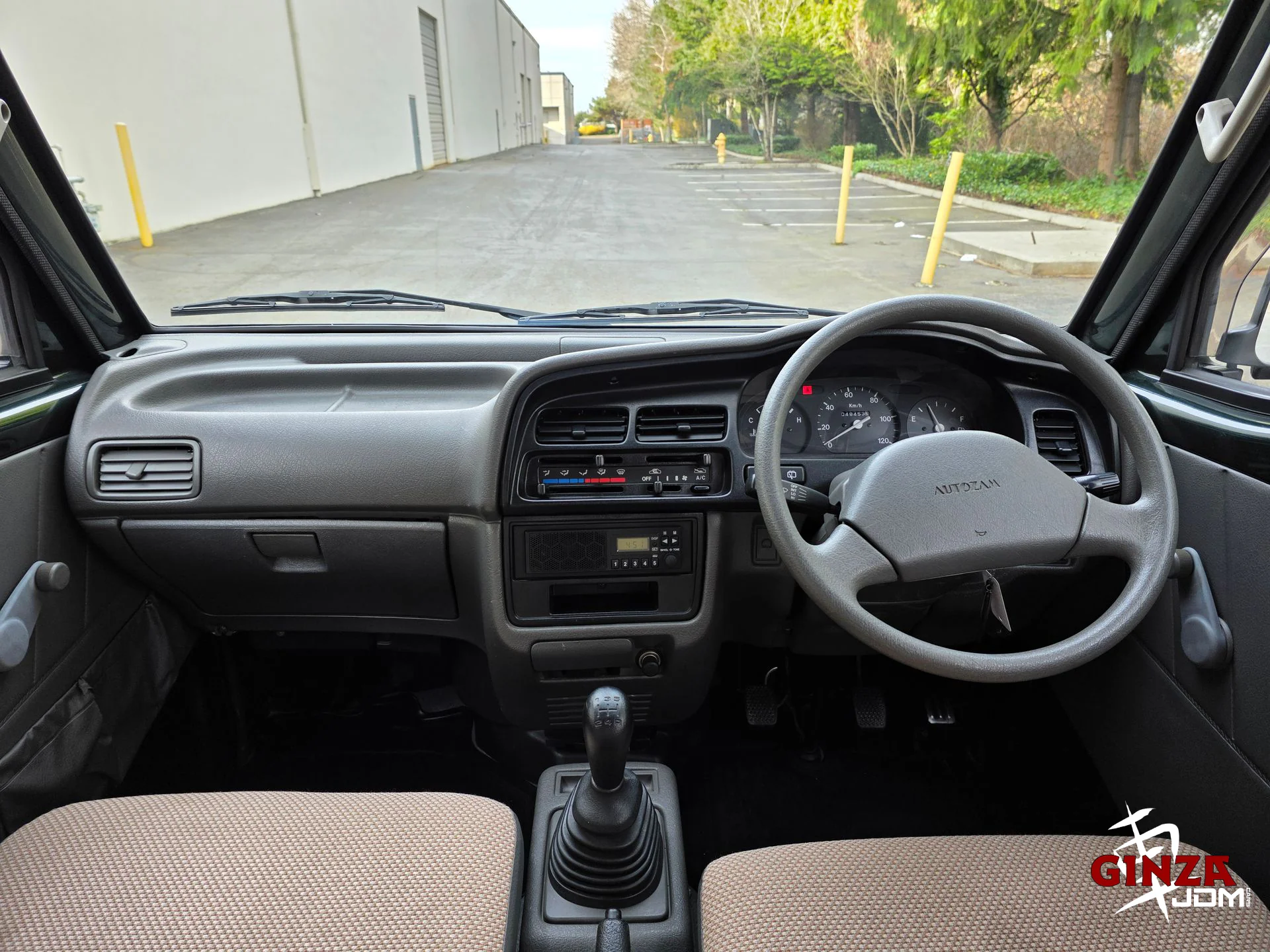
Right-hand drive (RHD) vehicles also introduce a layer of perceived risk for traditional insurers. Some companies assume RHD cars are more dangerous to drive in a left-hand drive country. While experienced JDM drivers know this is mostly a matter of adaptation, an insurance company sees a lack of data. This translates to higher premiums or a flat refusal to write the policy.
The Power of Agreed Value Coverage
The single most important phrase in JDM insurance is Agreed Value. This is different from Stated Value and worlds apart from Actual Cash Value. With an Agreed Value policy, you and the insurance company agree on what the car is worth before the policy starts. If the car is totaled, that is the exact amount you receive.
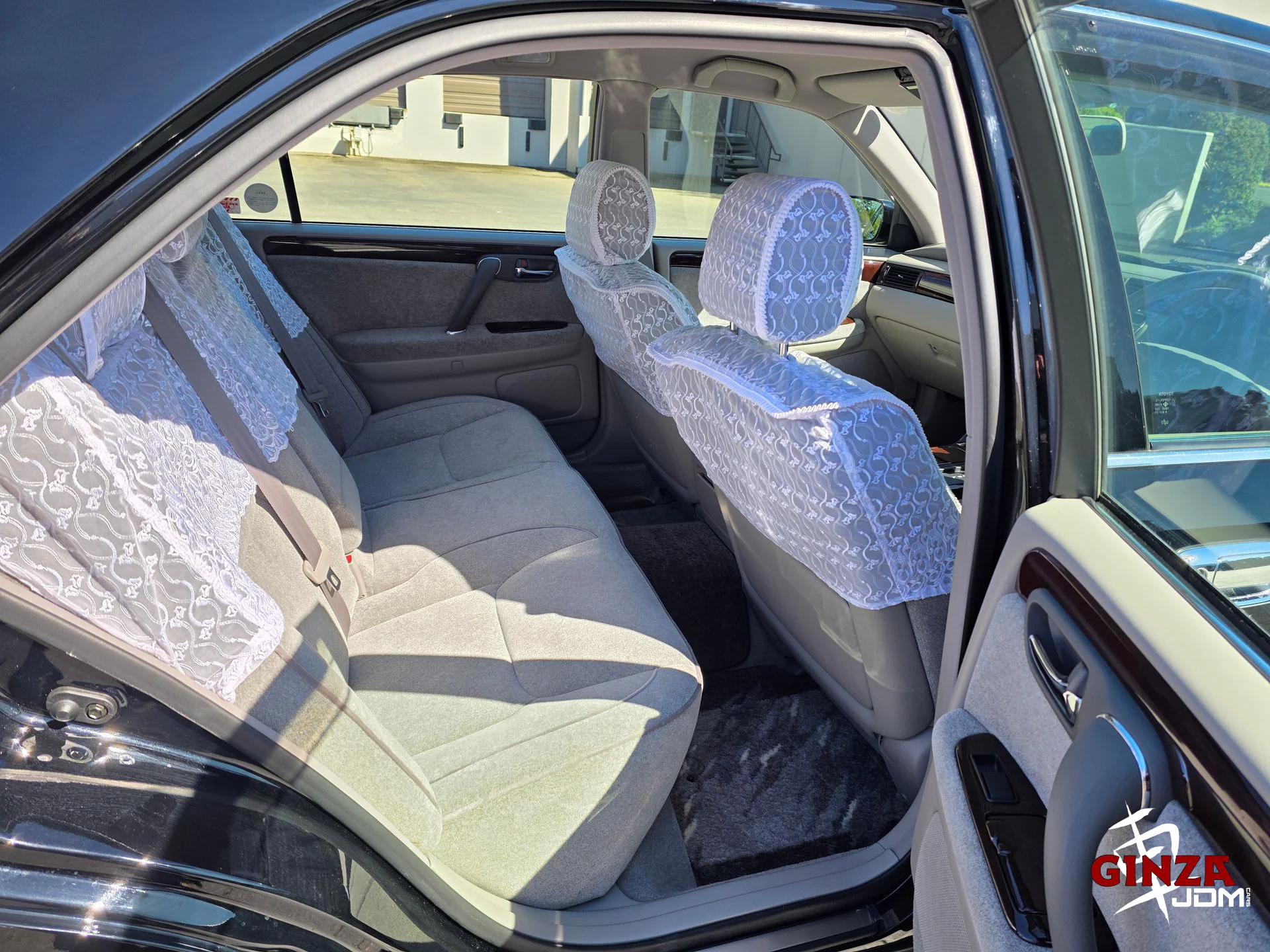
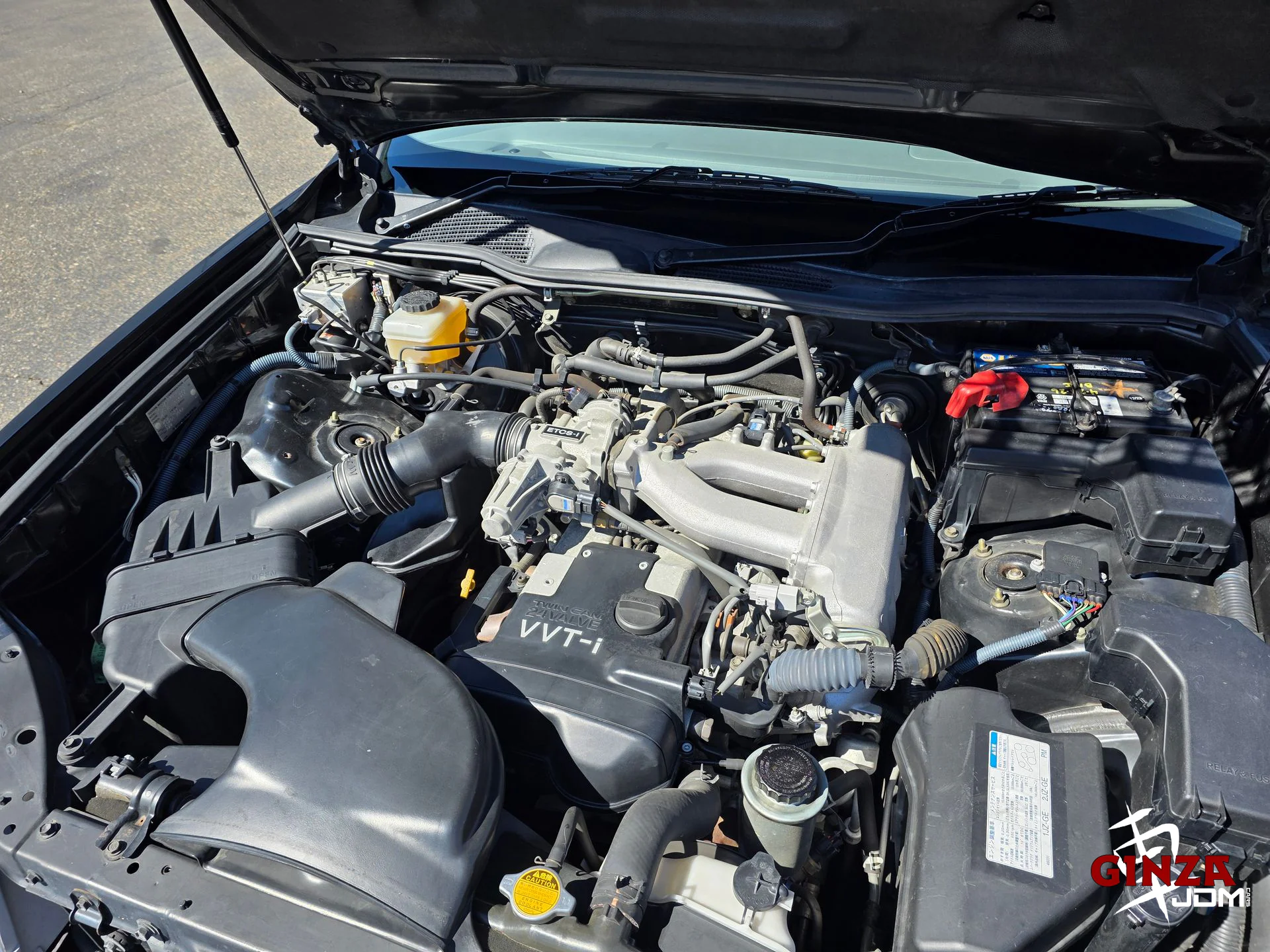
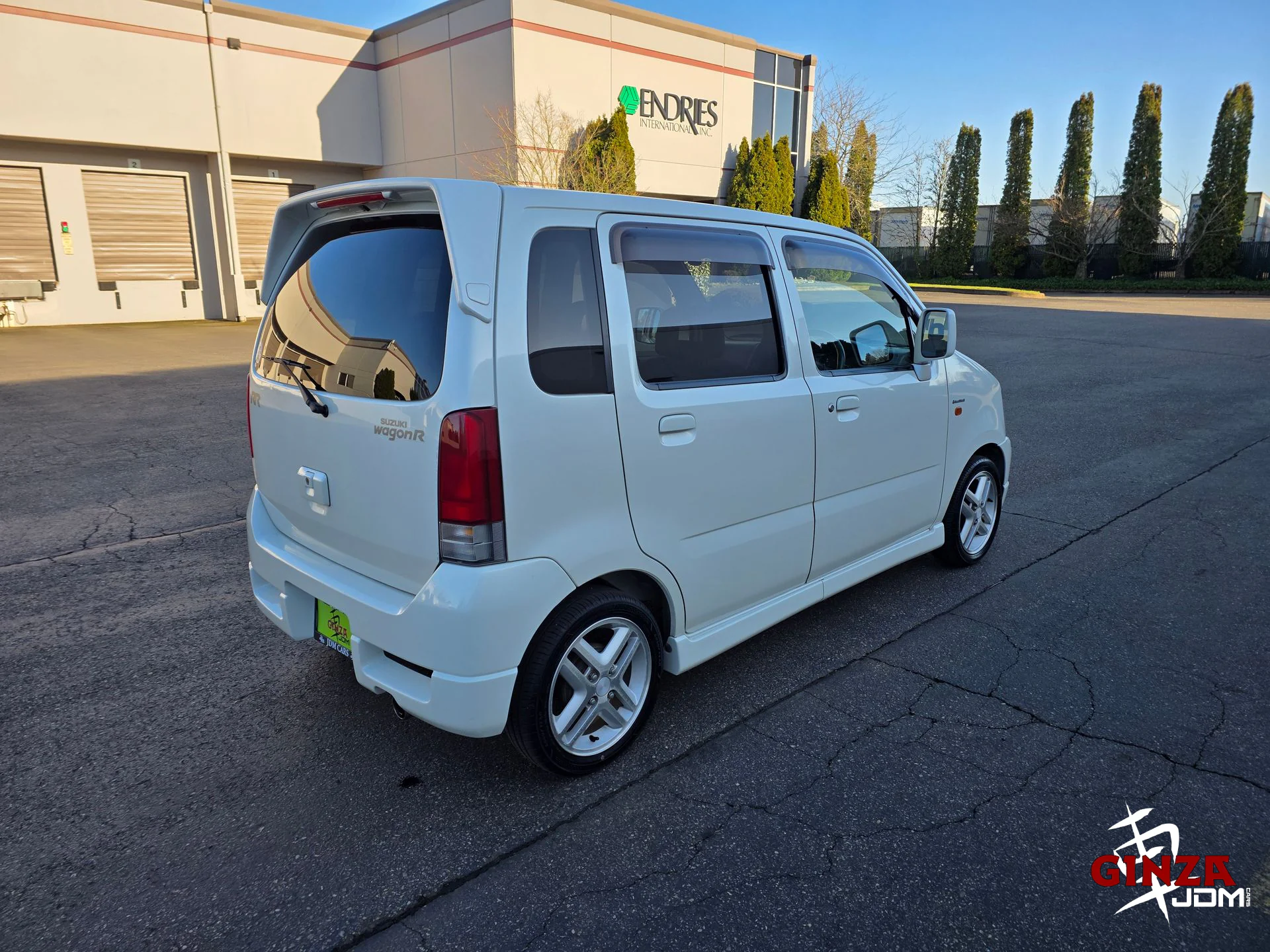
To secure this, you often need to provide photos of the car's interior, exterior, and engine bay. In some cases, a professional appraisal is necessary. This ensures that the insurance company recognizes your Nissan Silvia as a collector piece rather than just an old Nissan. This type of coverage is typically offered through specialty or collector car insurance providers. These companies understand that a JDM car is an investment that often appreciates rather than loses value over time.
Finding the Right Carrier
Several companies specialize in the enthusiast market. Names like Hagerty, Grundy, and American Collectors are common in the JDM community. These providers understand the nuances of the Japanese market. They know the difference between a base model and a limited edition trim. They also realize that JDM owners tend to take better care of their cars than the average driver.
Bogdan and his team prioritize finding vehicles with clean histories, which significantly helps when applying for these specialized policies. Insurance companies are much more likely to cover a car that has been meticulously inspected and verified for its condition and authenticity. Having your paperwork in order, including the legal import documentation and a clear title, is the first step toward a successful application.
Factors That Influence Your Premium
Several variables will affect the cost of your insurance. While the RHD configuration is a factor, it is rarely the most important one. Insurers look closely at the following:
Storage: Most specialty insurers require the car to be stored in a locked, permanent garage. A carport or street parking often disqualifies you from collector rates.
Usage: These policies are usually intended for pleasure use. If you plan to use your Honda NSX for a daily commute to work, a collector policy may not cover you. Many companies have mileage limits, often ranging from 2,500 to 5,000 miles per year.
Driving Record: Because these are high-performance vehicles, your personal driving history carries significant weight. A clean record will make the process much easier.
Experience: Some carriers prefer drivers who have experience with RHD vehicles or high-performance rear-wheel-drive platforms.
The Importance of Documenting Modifications
The JDM scene is synonymous with modification. From bolt-on performance parts to full body kits, many imports have been altered from their factory specifications. It is vital to be transparent with your insurance provider about these changes. If you have $10,000 in engine upgrades but do not list them, they will not be covered in a claim.
Keep a detailed folder of every receipt and invoice for parts and labor. Take high-resolution photos of the modifications. This documentation serves as proof of the car's enhanced value. Some specialty insurers offer specific coverage for spare parts and modifications, ensuring that your vision for the car is protected alongside the chassis itself.
Managing Liability and Physical Damage
When setting up your policy, you will choose between liability-only or full coverage. For a rare JDM import, liability-only is a massive gamble. Given the difficulty of sourcing body panels and specific trim pieces from Japan, even a minor fender bender can cost thousands of dollars. Full coverage that includes comprehensive and collision is the standard for any serious enthusiast. It protects you against theft, fire, and vandalism, which are real concerns for high-profile imported cars.
Preparing Your Paperwork
Before you call an agent, have your documents ready. You will need your title, bill of sale, and the US Customs release forms. Providing the 11-digit or 12-digit chassis number clearly is better than trying to make it fit a 17-digit format. Explain that the vehicle is a 25-year-old legal import. Most agents in the specialty department will know exactly what you are talking about.
Securing the right insurance is the final step in the import journey. It provides the peace of mind needed to actually get out and drive. Whether you are taking your car to a local meet or a weekend mountain run, knowing your investment is protected by a policy that understands its true worth makes the experience that much better. Take the time to shop around, talk to other JDM owners, and choose a policy that respects the heritage of your vehicle.